The Allure of Casinos: An Overview
Casinos have long been seen as a captivating environment that attracts millions of visitors globally. This fascination can be attributed to a variety of psychological factors that drive individuals to seek out gaming experiences. The vibrant atmosphere, combined with the potential for monetary gain, creates a unique allure that keeps players coming back for more. In recent discussions about gambling, some have highlighted new betting sites uk that are emerging as alternatives for enthusiasts.

At the heart of this attraction is the promise of excitement and the thrill of chance. For many, the casino represents not just a place for gambling, but an escape from everyday life. The sensory stimuli of bright lights, sounds of victory, and the aroma of complimentary drinks foster an immersive experience that heightens emotional responses, triggering both excitement and anticipation.
The Role of Cognitive Biases in Gaming
Cognitive biases play a significant part in casino gaming behavior. Gamblers often fall prey to various cognitive distortions, such as the illusion of control, where players believe they can influence outcomes in games of chance. This misconception can lead to repeated play, as individuals justify their losses by convincing themselves they are close to a win.
Additionally, the gambler’s fallacy—where individuals believe that past events influence future probabilities—can skew decision-making. For example, a player might think that after several losses, a win is due, prompting them to wager more aggressively. Understanding these biases is crucial for recognizing how they affect betting behavior and overall gaming experiences.
The Emotional Rollercoaster of Gambling
The emotional dynamics of gambling can greatly influence player behavior. Many individuals experience a mix of emotions, from the euphoria of winning to the despair of losing. This emotional rollercoaster can create a compulsive cycle where players chase losses in hopes of recapturing that initial high.
The concept of variable reinforcement plays a key role here, as intermittent rewards—such as occasional wins amid losses—can reinforce gambling behavior. The unpredictability of the outcomes keeps players engaged, often leading them to spend extended periods in gaming environments despite financial repercussions.
The Impact of Social Factors on Gaming Behavior
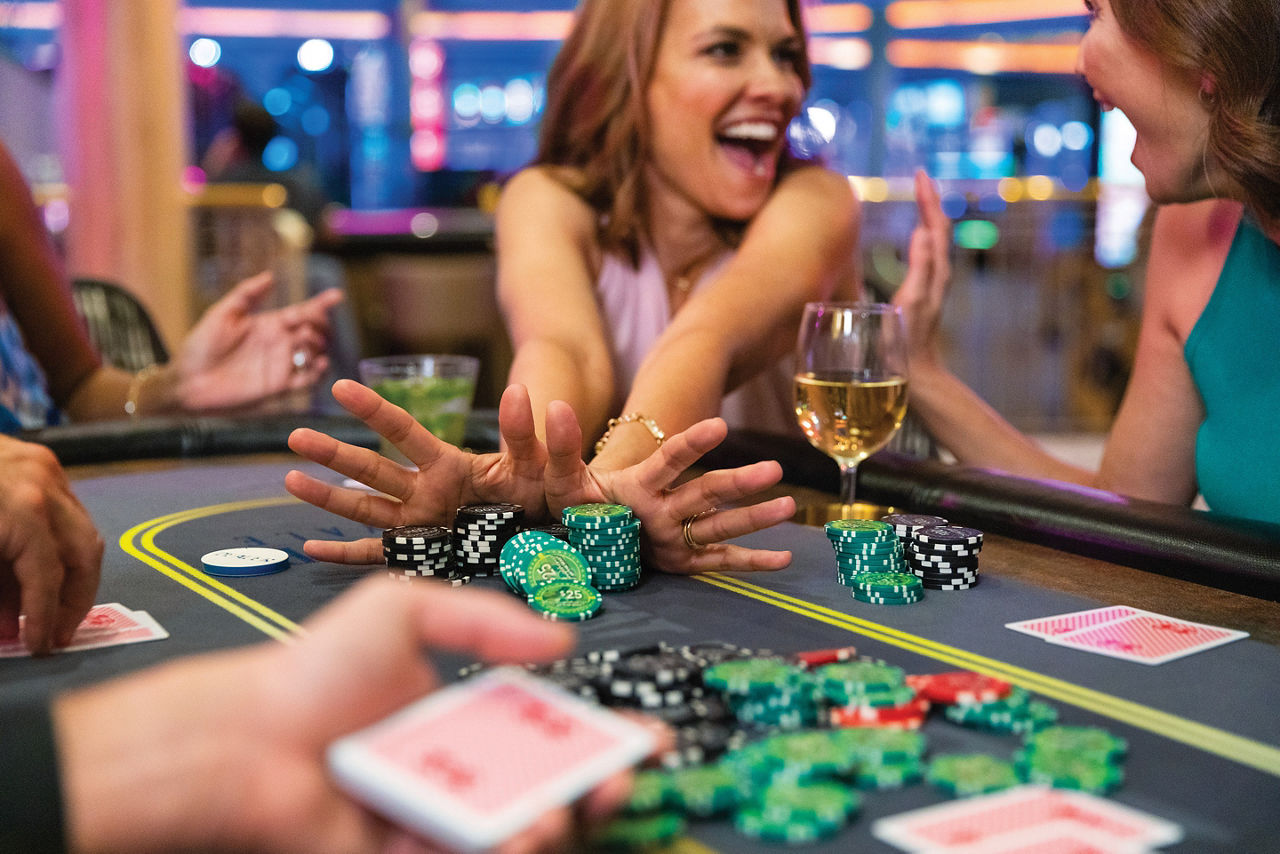
Social influences also significantly impact casino gaming behavior. Many individuals tend to gamble in groups, and the social aspect can enhance the overall experience. The camaraderie and shared excitement can act as a motivational factor, drawing players into the gaming scene. This social interaction serves as a form of bonding, creating shared narratives that make the experience memorable.
Moreover, peer pressure can play a critical role. Observing friends winning or sharing stories of big wins can incite a desire to participate in gaming activities. This social validation can encourage individuals to gamble beyond their means, influenced by the need to belong or impress others within their social circles.
Understanding Responsible Gaming and Community Support
As awareness of the psychological aspects of gambling behavior increases, there is a growing emphasis on responsible gaming practices. Encouraging a balanced approach to gaming can help mitigate the risks associated with excessive gambling. This can include setting limits, taking breaks, and recognizing the signs of problem gambling.
Community resources play an essential role in supporting individuals who may struggle with gaming behaviors. Websites that focus on providing information and fostering a safe gaming environment can serve as vital resources for individuals seeking support. By accessing such platforms, players can gain insights into healthy gaming habits, ultimately promoting a more sustainable engagement with the casino experience.